(863) 591-4500
Auburndale, FL 33823
(863) 591-4500
Auburndale, FL 33823
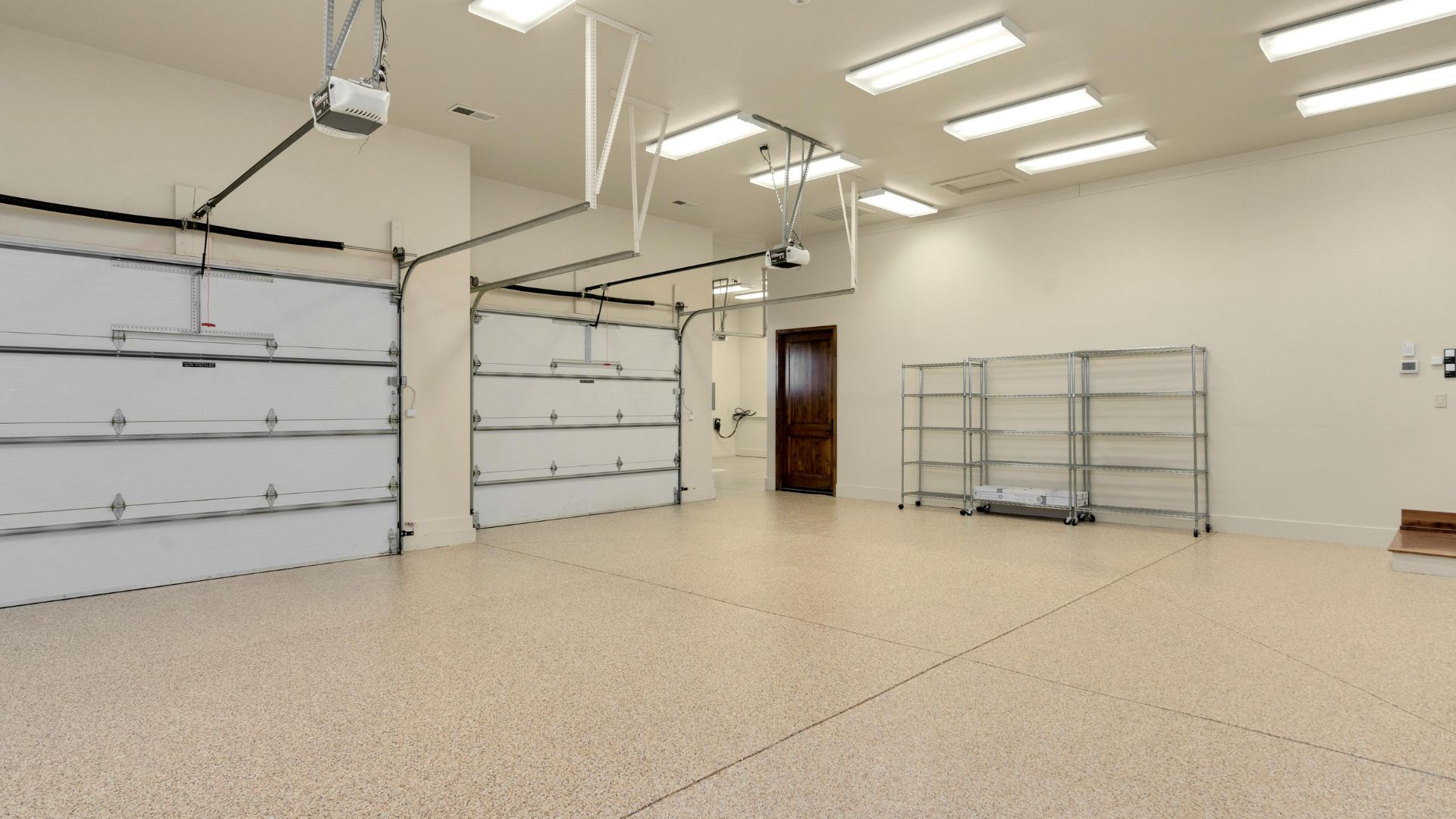
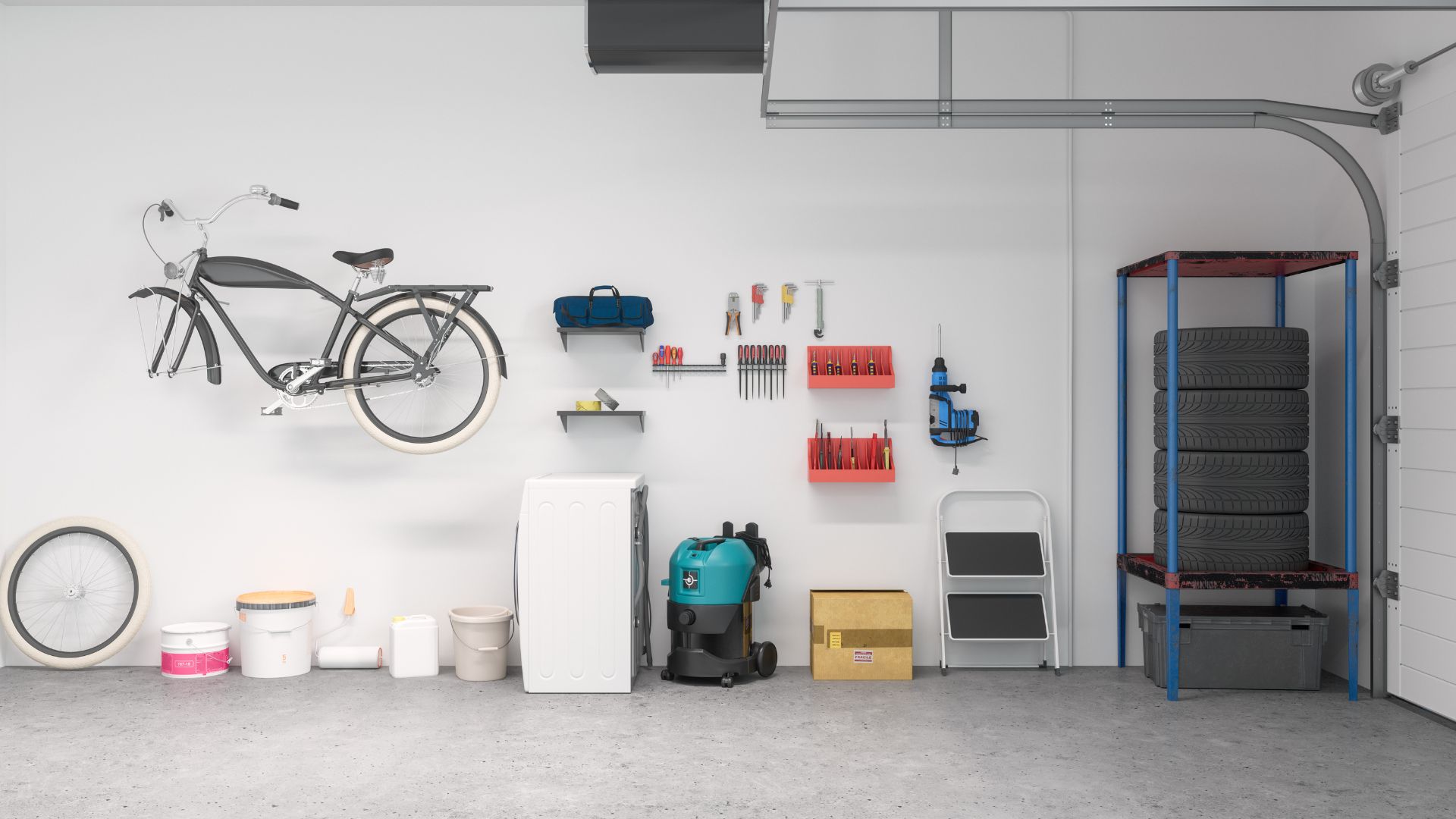
A custom garage system from Creative Closet Design puts cabinets, wall storage, and overhead racks where your tools, sports gear, and bins actually go, so the floor clears and the car fits again. We have designed and installed custom-built garage cabinets and closet systems for over 20 years, building each one to your garage and how you use it. The design and installation are handled by our own crew, and the in-home design consultation is free.
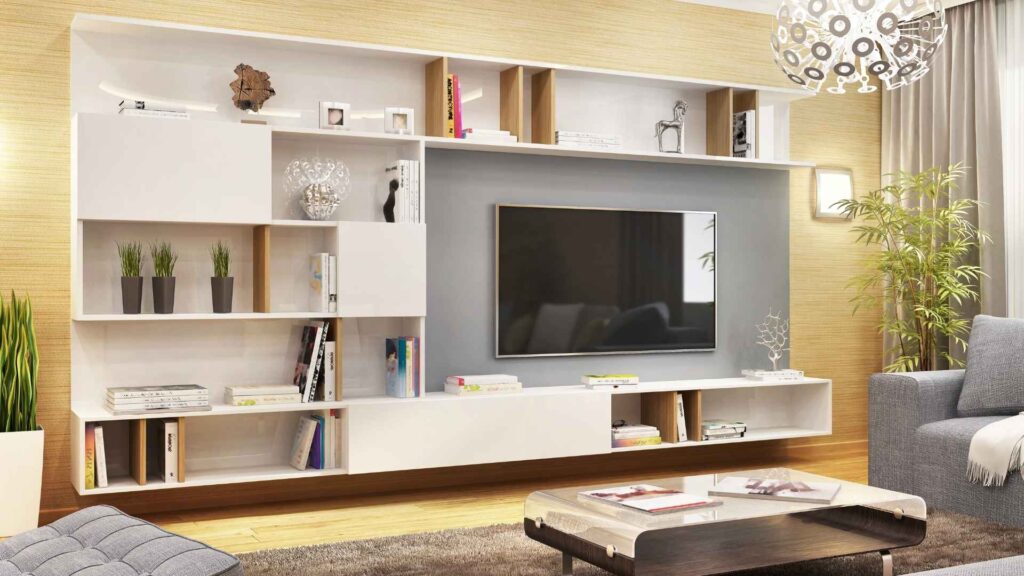
A built-in media wall, or entertainment center wall unit, is a fitted unit that turns the wall around your TV into the focal point of the room. Instead of a freestanding stand that leaves gaps and wasted space, the screen sits in a recess framed by cabinetry and shelving built to your wall, so the whole arrangement reads as part of the house rather than furniture set against it. We size the TV opening to your screen and plan the surrounding storage around what you actually keep in the room.
The unit is designed around how you use the space. A living room built for movie nights needs different storage than a room that doubles as a home library or a play space, so we plan the mix of cabinets, drawers, and open shelving to fit, then match the finish to the room. Because a built-in wall unit uses the full height and width of the space, an entertainment wall takes in the areas a standard stand leaves empty.
The core decision in an entertainment center is what to show and what to hide. Open shelving displays books, collectibles, and the pieces you want on view, while closed cabinets and drawers keep electronics, remotes, gaming gear, and media out of sight. Most media walls use both: display shelving framing the screen, concealed cabinets below and to the sides for the equipment and clutter that would otherwise sit on the floor.
We plan the open and closed storage around what you own. Adjustable shelving means the openings change as your equipment does, so a larger TV or a new sound system fits without rebuilding the unit. Drawers hold the small items that get lost, remotes, controllers, cables, and cabinets keep the components reachable but hidden. Staggering shelf heights and mixing open sections with closed ones is also what gives the wall its visual balance, so it works as a piece of the room and not just as storage.
A built-in media wall solves the cord problem that freestanding furniture cannot. Cable management is built into the design, routing wires from the TV and components through the unit and out of sight rather than trailing down the wall. We plan the layout so power and connections reach the screen and the components without a visible tangle, and so you can still reach the back of the equipment when something needs changing.
Electronics need airflow, so the cabinets that house components are planned with ventilation to keep them from overheating in a closed space. Shelving for a sound bar, a console, or streaming devices is sized to the equipment, with the clearances the components need to run. As screens and sound systems get larger over time, the adjustable openings give you room to upgrade without replacing the unit around them.
A closet on the wall you watch from can become a built-in entertainment center. Converting a closet into a media wall means removing the doors and rod, then building a shelving and cabinet system into the closet frame, with the TV set into the opening and storage built around it. Because the closet is already a recess in the wall, it gives the media wall depth a flat wall does not, and “closet entertainment center” is one of the searches that brings homeowners to us.
A closet conversion usually builds in three parts: a lower unit for AV and stereo components, side towers for media and display storage, and the TV centered in the opening between them, with an upper section for display above. The depth behind the closet frame is what makes cable management straightforward, giving room to run wiring and reach the back of the components, so the cords stay hidden and the equipment stays accessible. A reach-in closet in a living room, bonus room, or bedroom is often the easiest place to build a media wall, since the structure is already there to build into.
A media or game room needs storage planned around the equipment, not just the screen. Consoles, controllers, headsets, and a game library each need a place, so we plan open cubbies for the gear in daily use and closed cabinets for the rest, with shelving sized to the consoles and streaming devices and ventilation for the ones that run hot. A dual-screen or wide setup can be framed into the wall the same way a single TV is, with the components stored below and the display centered.
Rooms that do more than one job need the storage to work harder. When a media room also has to stay presentable, the concealed cabinets carry more of the load, so remotes, controllers, and media disappear behind doors and the wall stays clean when the screen is off. The same built-in that anchors movie nights keeps the gaming gear from taking over the room the rest of the time.
Custom entertainment centers are built to match the room they live in, in the finishes and colors chosen at your design meeting rather than picked from a photo. The unit can be built to disappear into the wall in a finish that matches the trim, or to stand out as a feature, depending on the look you want.
Integrated lighting turns display shelving into a feature: LED shelf and cabinet lighting highlights the pieces on display and gives the media wall depth in a dim room. Lighting is planned into the design rather than added afterward, so the wiring stays hidden like the rest of the system.
Our designers plan every entertainment center in four steps, and the first is free:
Yes. We remove the closet doors and rod, build a shelving and cabinet system into the closet frame, and set the TV into the opening. The existing recess gives the media wall depth and makes hiding cables straightforward.
Cable management is built into the design, routing wires from the TV and components through the unit and out of sight. The layout keeps the back of the equipment reachable, so you can change connections without dismantling anything.
Yes. We size the TV recess to your screen and build adjustable shelving around it, so the openings can change if you upgrade to a larger TV or add equipment later.
Both, and most media walls use a mix. Open shelving displays books and collectibles, while closed cabinets and drawers hide electronics, remotes, and media to keep the wall looking clean.
Yes. A built-in uses the full height and width of the wall, including the space a freestanding stand wastes, which can make it a good fit for a small room. Concealed storage keeps a small space from looking cluttered.
A designer comes to your home, measures the wall and room, looks at your TV and components, and plans the layout, storage, and finish with you. You receive a layout drawn to your measurements and a free estimate, with no obligation.
Your entertainment center is designed around your actual room and equipment: a designer measures the wall, plans around the screen size and components you own, and gives you a free estimate. See finished built-ins in our project gallery, then book a meeting when you are ready.